
How Much Does a Mini-Split Cost to Install in 2026?
A clear breakdown of mini-split costs in 2026 — equipment, labor, and the DIY-vs-pro difference — so you can budget confidently and spot an overpriced quote.
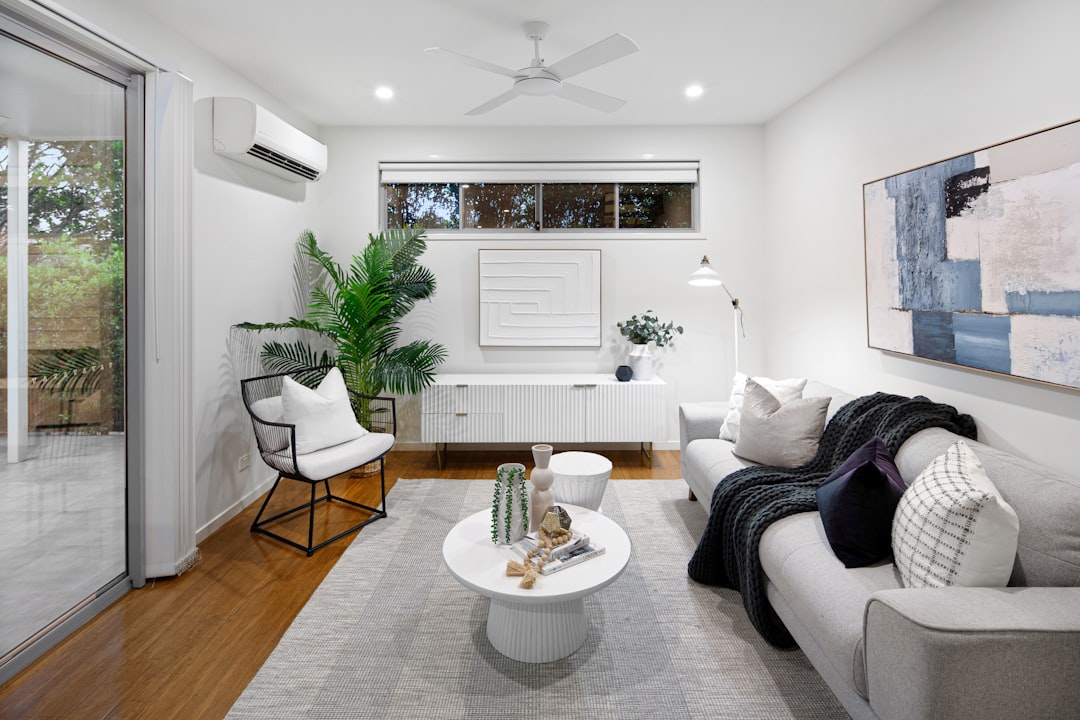
Mini-split pricing is confusing because quotes vary wildly. Here’s a realistic 2026 breakdown of what you’ll actually pay — equipment, labor, and where you can save — so you can budget and recognize a fair price.
The short answer
| Scenario | Typical total cost |
|---|---|
| DIY single-zone (you install) | $1,000 – $2,500 (equipment only) |
| Pro single-zone (installed) | $3,000 – $6,000 |
| Pro multi-zone (2–4 rooms) | $6,000 – $14,000+ |
The single biggest variable is labor: professional installation often doubles the cost of the equipment. That’s exactly why DIY-friendly systems are so popular.
Cost breakdown
1. The equipment (the unit itself) A single-zone mini-split runs roughly $700–$2,500 depending on capacity (BTU), efficiency (SEER2), and brand. Higher-efficiency and cold-climate models cost more but cut running costs.
2. Labor (if hiring a pro) Professional install typically adds $1,500–$3,500 for a single zone — more for multiple heads, long line runs, or difficult mounting. This covers mounting, refrigerant line setup, vacuuming/charging, and electrical.
3. Electrical Most units need a dedicated 230V circuit. If your panel needs a new breaker/circuit run, budget $300–$800 for an electrician (whether you DIY the unit or not).
4. Extras Wall brackets or a ground pad, longer line sets, a condensate pump, or a disconnect box can add $100–$500.
Where DIY saves you money
A DIY mini-split with a pre-charged line set eliminates the biggest line item — labor. You skip the $1,500–$3,500 install fee and only pay for the equipment (and an electrician for the circuit if needed). For a single zone, that’s often the difference between ~$1,800 DIY and ~$4,500 installed.
MRCOOL DIY 4th Gen Mini-Split
The pre-charged, quick-connect design is what makes DIY possible — letting you skip the labor cost entirely while keeping the warranty valid.
- Eliminates $1,500+ labor cost
- No special tools or EPA cert needed
- Warranty valid on DIY installs
- Still budget for an electrician if you need a new circuit
- Confirm the right BTU size first
How to spot an overpriced quote
- Get at least 3 quotes — they vary more than almost any home project.
- Ask for an itemized breakdown (equipment vs. labor vs. electrical). Vague lump sums hide markups.
- A common equipment markup is 50–100% over retail. Knowing the unit’s online price gives you leverage.
- Be wary of pressure to oversize the system — bigger isn’t better (see our sizing guide).
Is a mini-split worth it?
For room additions, garages, offices, or homes without ductwork, a mini-split is usually cheaper to run and install than extending central ducts — and far more efficient than window units or electric heaters over time. If you’re handy, the DIY route makes the value even stronger.
Ready to choose a unit? See our best DIY mini-splits guide.
All figures are 2026 estimates; actual costs vary by region, home, and installer. Confirm equipment prices on Amazon and get local quotes for labor.

Written by
Rehman Ali
HVAC Technician & Founder · 7+ years experience
- B.S. Electrical Engineering
- M.S. Engineering Management
- EPA 608 Universal Certified
A professional HVAC technician with 7+ years in the field who personally tests and installs the equipment reviewed here. Every recommendation on Kubalix comes from hands-on field experience — not guesswork.