
What Size Mini-Split Do I Need? (BTU Sizing Guide)
A simple guide to sizing a ductless mini-split correctly. Learn how many BTUs you need by room size, plus the factors that change the math.
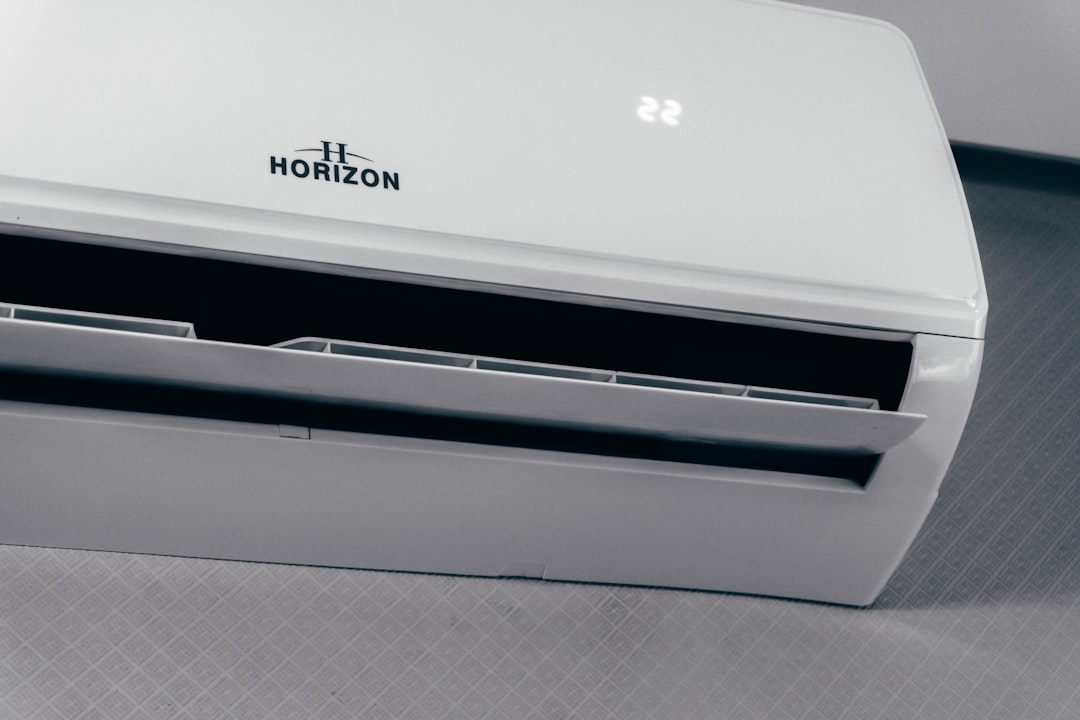
Buying the wrong size mini-split is the most common — and most expensive — mistake homeowners make. Too small, and it runs nonstop and never cools the room. Too big, and it “short-cycles”: blasting cold air, shutting off, and leaving the room clammy because it never runs long enough to remove humidity. Here’s how to get it right.
The quick answer: BTUs by room size
Mini-split capacity is measured in BTUs (British Thermal Units). As a starting point, plan for roughly 20 BTU per square foot:
| Room size | Recommended capacity |
|---|---|
| 150–250 sq ft | 9,000 BTU |
| 250–400 sq ft | 12,000 BTU |
| 400–650 sq ft | 18,000 BTU |
| 650–1,000 sq ft | 24,000 BTU |
| 1,000–1,300 sq ft | 30,000 BTU |
| 1,300–1,600 sq ft | 36,000 BTU |
Factors that change the math
The table above is a baseline. Adjust up in BTUs if your space has:
- High ceilings (over 8 ft) — you’re cooling more air volume.
- Lots of sun — a south- or west-facing room with big windows runs hotter. Add ~10%.
- Poor insulation — older homes lose more conditioned air.
- Heat sources — a kitchen or a room full of electronics.
- Hot climate — the Southwest needs more capacity than the Pacific Northwest.
Adjust down slightly for heavily shaded, well-insulated, or northern-climate rooms.
A simple worked example
Say you want to cool a 350 sq ft sunny living room with 9-foot ceilings:
- Base: 350 sq ft × 20 BTU = 7,000 BTU
- High ceilings (+15%): +1,050
- Heavy sun (+10%): +700
- Total ≈ 8,750 BTU → round up to the nearest standard size: a 9,000 BTU unit (or 12,000 if it’s a very hot climate).
When in doubt between two sizes, don’t automatically go bigger — an oversized unit that short-cycles is worse for comfort and humidity than one that’s right-sized.
Single-zone vs. multi-zone sizing
If you’re conditioning multiple rooms with a multi-zone system, size each indoor head for its own room, then make sure the outdoor condenser’s total capacity covers the combined load. Most multi-zone condensers list the maximum number and size of heads they support.
Don’t forget heating
If you’ll use the mini-split for heating too, check the unit’s heating BTU and low-temperature performance, not just cooling. Cold-climate models maintain output well below freezing; budget units lose a lot of heating capacity as it gets colder.
Next steps
Once you know your size, see our best DIY mini-splits guide for units that come in that capacity, or read our MRCOOL DIY review for our top overall pick. Curious about install costs? Check the mini-split cost guide.

Written by
Rehman Ali
HVAC Technician & Founder · 7+ years experience
- B.S. Electrical Engineering
- M.S. Engineering Management
- EPA 608 Universal Certified
A professional HVAC technician with 7+ years in the field who personally tests and installs the equipment reviewed here. Every recommendation on Kubalix comes from hands-on field experience — not guesswork.