
Best Ductless Heat Pump System: 3 I'd Install in 2026
A working HVAC technician's picks for the best ductless heat pump system in 2026 — compared by price, value, and efficiency, with honest buying advice.
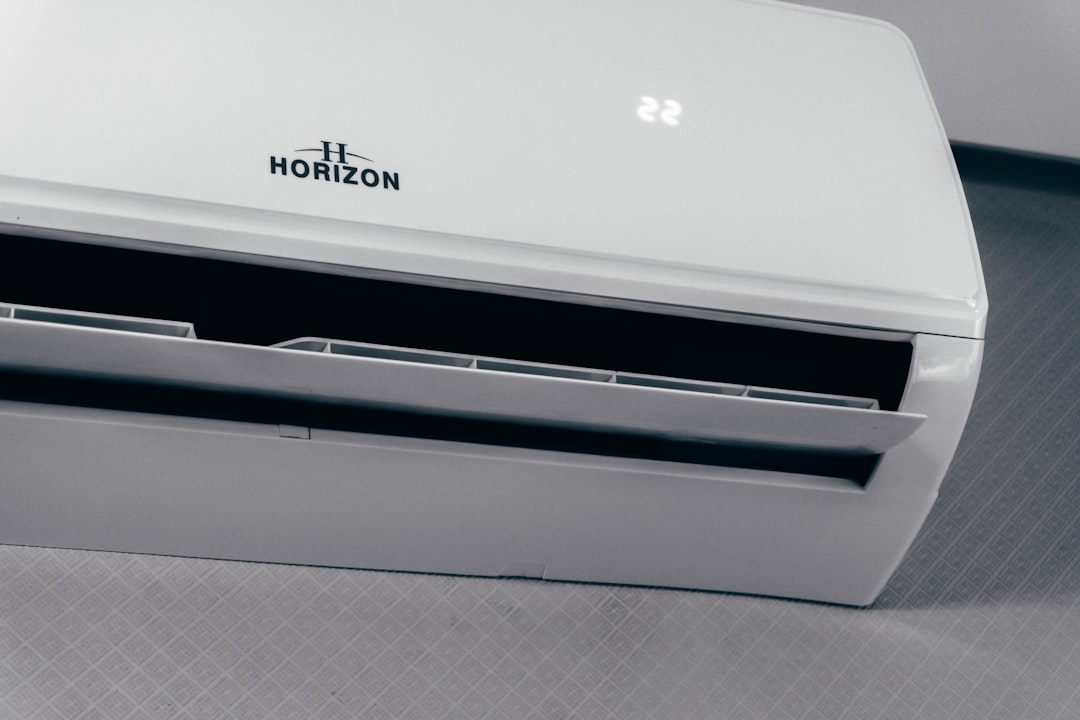
A ductless heat pump system is the single most cost-effective upgrade I recommend to homeowners who want to heat and cool a space without tearing into ductwork. I install and service these units for a living, and the technology has come a long way — today’s inverter-driven ductless heat pump systems are quiet, efficient, and increasingly easy to install yourself.
But the market is flooded with options, and the spec sheets don’t tell the whole story. So I’ve picked the three ductless heat pump systems I’d actually put in a home in 2026 — one for the tightest budget, one for the best all-around value, and one for maximum efficiency. Here’s how they compare and how to choose.
What is a ductless heat pump system?
A ductless heat pump system (also called a mini-split) is a heating and cooling system with two main parts: an outdoor compressor/condenser and one or more indoor air-handling units mounted on your wall. They’re connected by a thin refrigerant line that runs through a small (~3-inch) hole — no bulky ductwork required.
The “heat pump” part is what makes it a year-round system: instead of only cooling, it reverses to pull heat from outside air and warm your home in winter. Because it moves heat rather than burning fuel, a good ductless heat pump system is far more efficient than electric baseboard heat or window units.
Two specs matter most:
- BTU — the heating/cooling capacity (how large a space it can handle).
- SEER2 — the cooling efficiency rating. Higher = lower energy bills.
My top 3 ductless heat pump systems at a glance
| Best Price | Best Value | High Efficiency | |
|---|---|---|---|
| Unit | COSTWAY 23,000 BTU | DELLA Econo 23,000 BTU | MRCOOL 5th Gen DIY 12,000 BTU |
| Capacity | Up to ~1,500 sq ft | Up to ~1,500 sq ft | Single room / ~500 sq ft |
| SEER2 | 19 | 17 | High-efficiency inverter |
| Smart control | — | WiFi + Alexa | App control |
| Power | 208–230V | 230V | 115V standard outlet |
| Best for | Max capacity, tight budget | Smart features + big space | Efficiency + easy DIY |
Best Price: COSTWAY 23,000 BTU Ductless Heat Pump
If your priority is getting the most heating and cooling capacity for the lowest price, this is where I’d point you. You get a full 23,000 BTU — enough to condition an open living area up to roughly 1,500 sq ft — and a genuinely respectable 19 SEER2 inverter at a budget price. It ships with a full installation kit, and it’s a true heat pump, so it covers you in both summer and winter.
COSTWAY 23,000 BTU Mini-Split Heat Pump (19 SEER2)
The most capacity per dollar. 23,000 BTU of heating and cooling with a 19 SEER2 inverter and a full installation kit — ideal for a large room or open living space on a budget.
- Most BTU capacity for the money
- Solid 19 SEER2 efficiency
- Heat pump — heats and cools
- Includes full installation kit
- Needs a 208–230V circuit
- No WiFi/smart control
My take: For the price, the capacity here is hard to argue with. A 19 SEER2 rating is solid — not class-leading, but well above the old 13–14 SEER units I still get called out to replace. The one thing to plan for: it runs on a 208–230V circuit, so unless you already have one nearby, budget for an electrician to add a dedicated circuit. If you want maximum coverage without overspending, this is the ductless heat pump system I’d start with.
Best Value: DELLA Econo 23,000 BTU (WiFi + Alexa)
This is the one I’d recommend to most people. You still get the big 23,000 BTU capacity for a large space, but DELLA adds WiFi and Alexa voice control — features that budget units almost always leave out — and a pre-assembled 16.4-ft line set that makes the install dramatically friendlier than older systems. At 17 SEER2 it’s slightly less efficient than the COSTWAY on paper, but the smart features and easier installation are what make it the best value.
DELLA Econo Series 23,000 BTU Ductless Heat Pump (WiFi)
Big-space capacity plus the smart features budget units skip. 23,000 BTU, WiFi + Alexa control, and a pre-charged 16.4-ft line set for a far easier install.
- 23,000 BTU for large rooms
- WiFi + Alexa voice control
- Pre-charged 16.4-ft line set (DIY-friendlier)
- Heats and cools year-round
- 17 SEER2 — not the highest efficiency
- Still needs a 230V circuit
My take: Nine times out of ten, this is the ductless heat pump system I’d tell a homeowner to buy. The WiFi and Alexa control genuinely change how you live with the unit — scheduling, remote start before you get home, voice adjustments — and that pre-assembled line set takes a lot of the fear out of a DIY install. You give up a couple of SEER2 points versus the COSTWAY, but for most homes the convenience is worth far more than the small efficiency difference.
High Efficiency: MRCOOL 5th Gen DIY 12,000 BTU
When efficiency and a truly painless install top your list, this is my pick. MRCOOL’s 5th Gen DIY line is the gold standard for do-it-yourself ductless heat pump systems, and this 12,000 BTU model has a standout feature: it runs on a standard 115V outlet — no new 230V circuit, no electrician for the power. The inverter compressor sips energy and holds temperature without the loud on/off cycling of cheaper units. It’s a smaller unit, so it’s perfect for a single room, bedroom, office, or addition where low running costs matter.
MRCOOL 5th Gen DIY 12,000 BTU Ductless Heat Pump (115V)
The most efficient, most DIY-friendly pick. A high-efficiency inverter heat pump that plugs into a standard 115V outlet and installs with no special tools.
- High-efficiency inverter compressor
- Plugs into a standard 115V outlet
- True no-tools DIY install
- Trusted brand + DIY-valid warranty
- Smaller 12,000 BTU (single-room)
- Higher price per BTU than budget units
My take: I’ve installed plenty of MRCOOL DIY units, and they’re the ones I trust most for a homeowner doing it themselves. The 115V plug is a bigger deal than it sounds — it removes the single most expensive and intimidating part of a mini-split install (the dedicated 230V circuit). It’s only 12,000 BTU, so don’t try to cool a whole open floor plan with it — but for a single room where you want efficiency, quiet operation, and a weekend install, nothing here beats it.
💡 Not sure what size you need? Capacity is everything with a ductless heat pump system. Use our free mini-split sizing calculator to get the right BTU number before you buy.
How to choose the right ductless heat pump system
After years of installs, these are the factors I tell every customer to weigh — in order:
- Size it correctly (BTU). This is the #1 mistake people make. Too small and it runs constantly without keeping up; too big and it short-cycles, wasting energy and leaving humidity behind. As a rough guide, plan for ~20 BTU per square foot, then adjust for ceiling height, sun, and climate. (Our sizing guide walks through it.)
- Check the efficiency (SEER2). Anything 17 SEER2 and up is solid for most homes. If you run it heavily in a hot climate, the extra efficiency pays for itself over time.
- Confirm the heating performance. All three picks here are heat pumps, but cold-climate heating varies. If you’ll lean on it for winter heat, look at the low-temperature heating rating.
- Know your electrical. A 230V unit (COSTWAY, DELLA) usually needs a dedicated circuit — factor in an electrician. A 115V unit (MRCOOL) often plugs into an existing outlet.
- Be honest about the install. Pre-charged DIY systems (DELLA, MRCOOL) let handy homeowners skip a $1,500+ labor bill. If you’re not comfortable with the line set or electrical, have a pro handle those parts.
Is a ductless heat pump system worth it?
In most cases, yes. Compared to window units, a ductless heat pump system is quieter, more efficient, heats as well as cools, and looks far better on the wall. Compared to extending central ductwork, it’s usually cheaper to install and lets you control each room independently. For additions, garages, bonus rooms, or whole homes without ducts, it’s almost always the system I recommend. Want to know what installation really costs? See our mini-split cost guide.
Frequently asked questions
Can I install a ductless heat pump system myself? Yes — DIY models like the MRCOOL 5th Gen and the DELLA Econo ship with pre-charged line sets and quick-connect fittings, so you don’t need a vacuum pump or EPA certification. You’ll still need to mount the units, run the line set through the wall, and handle the electrical (a 115V unit can plug into an existing outlet; a 230V unit usually needs a dedicated circuit). If you’re not comfortable with the electrical, hire an electrician for just that part.
Do ductless heat pumps work in winter? Yes. A heat pump pulls warmth from outside air even when it’s cold and moves it indoors. Standard models work well in mild-to-moderate winters; for very cold climates, look specifically for a cold-climate or hyper-heat rating.
How many BTUs do I need? Roughly 20 BTU per square foot as a starting point — so a 23,000 BTU unit suits up to ~1,500 sq ft, and a 12,000 BTU unit suits a single room up to ~500 sq ft. Adjust for ceilings, sun, and insulation, or use our sizing calculator.
How long does a ductless heat pump system last? With basic maintenance — mainly keeping the filters clean and the outdoor unit clear — a quality ductless heat pump system typically lasts 12–15+ years.
The bottom line
All three of these are ductless heat pump systems I’d genuinely stand behind:
- On the tightest budget? The COSTWAY 23,000 BTU gives you the most capacity per dollar.
- Want the best all-around? The DELLA Econo 23,000 BTU adds WiFi, Alexa, and an easier install — my pick for most homes.
- Chasing efficiency and a simple DIY install? The MRCOOL 5th Gen DIY 12,000 BTU plugs into a standard outlet and sips energy.
Size it right, match it to your space, and a ductless heat pump system will pay you back in comfort and lower bills for years. Browse all my mini-split recommendations for more picks.
Prices and availability change often — confirm current pricing on Amazon before buying.

Written by
Rehman Ali
HVAC Technician & Founder · 7+ years experience
- B.S. Electrical Engineering
- M.S. Engineering Management
- EPA 608 Universal Certified
A professional HVAC technician with 7+ years in the field who personally tests and installs the equipment reviewed here. Every recommendation on Kubalix comes from hands-on field experience — not guesswork.